41 healthy eating food labels
Food label - Mayo Clinic Food label. The FDA requires food labels to list common allergens in language that's easy to understand. Allergens are listed in the ingredients list, after the list or right next to it. ... Nutrition and healthy eating; Multimedia; AA00057 IM03654 aa7 foodlabel thu jpg; Mayo Clinic Footer. Request Appointment; Give Now; Contact Us; About Mayo ... Food labels | Office on Women's Health Food labels The labels on packages are important tools you can use to find out what is in the food you eat. Make healthier food choices by learning more about the Nutrition Facts label and the ingredient list. The Food and Drug Administration (FDA) didn't require the Nutrition Facts label until 1991. The FDA has updated the Nutrition Facts label.
Understanding Food Labels | The Nutrition Source | Harvard T.H. Chan ... Understanding Food Labels. The information on food labels is intended to help consumers become savvy about their food choices. The front, back, and sides of a package are filled with information to inform us what the food contains and to provide guidance in making healthier selections of processed foods. However, all the numbers, percentages ...

Healthy eating food labels
Food Labels | CDC All the numbers on this label are for a 2/3-cup serving. This package has 8 servings. If you eat the whole thing, you are eating 8 times the amount of calories, carbs, fat, etc., shown on the label. Total Carbohydrate shows you types of carbs in the food, including sugar and fiber. Choose foods with more fiber, vitamins, and minerals. Understanding Food Nutrition Labels | American Heart Association When the Nutrition Facts label says a food contains "0 g" of trans fat, but includes "partially hydrogenated oil" in the ingredient list, it means the food contains some trans fat, but less than 0.5 grams per serving. So, if you eat more than one serving, you could end up eating too much trans fat. safefood | How to read food labels Some labels use colour coding to show at a glance if a food is high, medium or low in fat, saturated fat, sugar and salt. Low (green) - the best choice. Medium (amber) - okay most of the time. High (red) - only choose occasionally. If the label isn't colour coded, use our label decoder as a guide. Low (green)
Healthy eating food labels. Use food labels - Canada's Food Guide Food labels provide information you can use to make informed choices about foods and drinks at the grocery store and at home. Food labels can help you: compare and choose products more easily know what ingredients a food product contains choose products with a little or a lot of the nutrients that are of interest to you Changes to food labels PDF Healthy Eating Workshop Reading and understanding food labels Healthy Eating Workshop Reading and understanding food labels 1 Healthy Eating Workshop Reading and understanding food labels Workshop outline (60 minutes) 1. Welcome (5 minutes) 2. Whole versus processed foods ( 10 minutes) 3. Packaged Foods - how do you choose? (30 minutes) 4. Let's Practice (10 minutes) 5. Closing (5 minutes) Label reading 101 - Healthy Food Guide Step 1: Check front-of-pack claims. Manufacturers often use clever wording like 'low in salt' and '97% fat free', but there are lots of rules surrounding nutrition claims. For instance, a 'low-salt' food must have no more than 120mg of sodium per 100g. A food claiming to be '97% fat free' must have a maximum of three per cent fat. 55 Sneaky Words on Food Labels You Need to Avoid - Eat This Not That Here they are, and for more healthy tips, be sure to check out our list of The 7 Healthiest Foods to Eat Right Now. Names A-B Shutterstock Agave Nectar Artificial Sweeteners Aspartame Barley Malt Blackstrap Molasses Brown Rice Syrup Brown Sugar Buttered Syrup Here is The Only Thing That Will Kill Your Sugar Cravings. Names C-D Shutterstock
How To Read Food Labels for Healthy & Clean Eating On the side of their boxes, you will find the farm where the eggs come from.) "Cage-free" is a label that indicates the animal was out of a cage. This doesn't tell you how much space the animal actually had. The chicken who hatched your egg could only have a few inches of space to move but they are still raised "cage-free." Printable Materials and Handouts | Nutrition.gov What's New with the Nutrition Facts Label HHS, Food and Drug Administration The U.S. Food and Drug Administration (FDA) has updated the Nutrition Facts label on packaged foods and beverages with a new design, making it easier to make informed choices towards healthy eating habits. The New and Improved Nutrition Facts Label - Key Changes How To Read Food and Beverage Labels | National Institute on Aging Sign up for e-alerts about healthy aging Email Address For more information about food labels USDA MyPlate 703-305-2060 U.S. Department of Health and Human Services 877-696-6775 U.S. Food and Drug Administration 888-463-6332 druginfo@fda.hhs.gov How to understand food labels | Eat For Health The Nutrition Information Panel on a food label offers the simplest and easiest way to choose foods with less saturated fat, salt (sodium), added sugars and kilojoules, and more fibre. It can also be used to decide how large one serve of a food group choice or discretionary food would be and whether it's worth the kilojoules.
Use of the Term Healthy on Food Labeling | FDA The FDA has started a public process to update the "healthy" nutrient content claim for food labeling. Updating "healthy" is part of an overall plan to provide consumers with information and tools ... Food Labels | Reading Food Labels | Healthy Eating Food Labels and How to Read Them. If healthy eating and a healthy diet are important to you, then reading food labels is a must. Food labels tell us a lot about a processed or prepared food. They can help you understand the kinds of nutrients that are in the food, plus the amounts of those nutrients. You will find information on the amount of ... Healthy Eating for Adults | MyPlate Fruits, vegetables, whole grains, protein foods, and fat-free or low-fat dairy or fortified soy alternatives are healthy choices. Include a variety of protein foods such as seafood, lean meats, poultry, beans, peas, lentils, nuts, and eggs. Enjoy fruits and vegetables No matter your age, fruits and veggies provide key nutrients and dietary fiber. Reading Food Labels - SecondsCount - SCAI Sodium - Sodium is listed on the label in milligrams. When 1500 milligrams is the limit for people with heart disease, sodium can add up quickly. A low-sodium food is defined by the Food and Drug Administration as 140 milligrams or less per serving.

How to Read Nutrition Facts on Food Labels: 13 Steps
Eat Healthy - MyHealthfinder | health.gov There are lots of healthy choices in each food group! Choose a variety of foods you enjoy, including: Whole fruits — like apples, berries, oranges, mango, and bananas. Veggies — like broccoli, sweet potatoes, beets, okra, spinach, peppers, and jicama. Whole grains — like brown rice, millet, oatmeal, bulgur, and whole-wheat bread.

The colors we’re ‘dyeing’ for 🤦♂ Have you checked your labels? Many mainstream processed foods ...
Reading Food Labels (for Parents) - Nemours KidsHealth A food with 5% or less of a nutrient is low in that nutrient. A food with 10%-19% of a nutrient is a good source of that nutrient. A food with 20% or more of a nutrient is high in that nutrient. The information on food labels is based on an average diet of 2,000 calories per day.
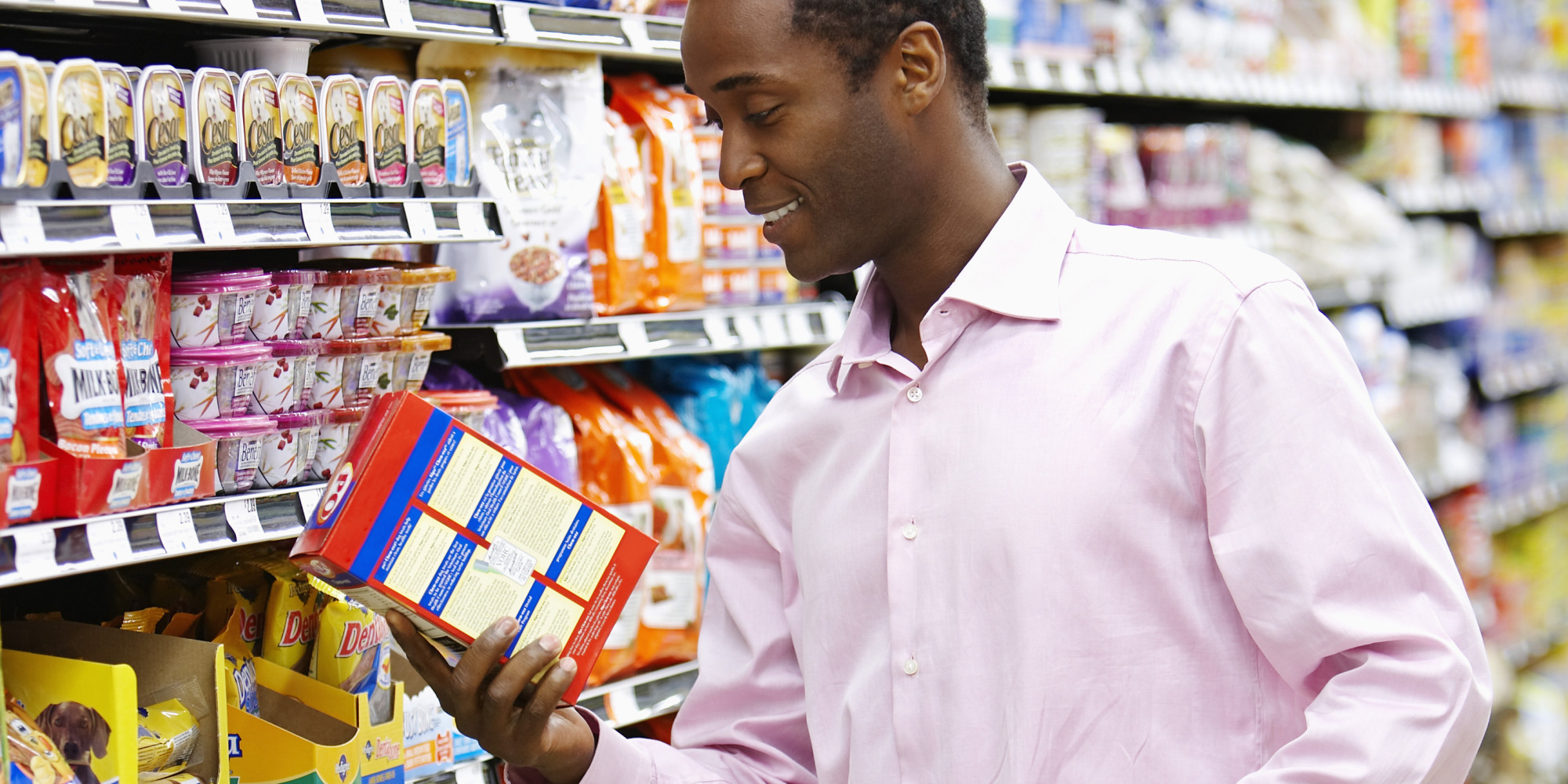
How To Read Nutrition Labels | HuffPost
Understanding Food Nutrition Labels - Professional Heart Daily ... Learning how to understand and use the Nutrition Facts label can help you make healthier eating choices and identify nutrient-dense foods for a healthy diet. Here are some tips from the American Heart Association for making the most of the information on food labels. Learn what to look for on the label.

The Mediterranean Diet for long life & good health - Catherine Saxelby's Foodwatch
15 Most Deceptive Food Label Terms That Are Fooling You The FDA has strict guidelines that govern foods labeled "low-fat." For instance, the product must contain three grams or less of fat per 100 grams, and have 30% or less of its calories come from fat. However, sugar is often added to low-fat foods. 10 "Fruit-flavored" Shutterstock

How to Read Nutrition Facts on Food Labels: 12 Steps
Understanding food labels - Blood Pressure UK The label will tell you how much energy (in kilocalories and kilojoules), fat, saturated fat (often written as saturates), carbohydrate, sugars, protein and salt is in the food. The amounts will be given per 100g or 100ml of the product, and sometimes by portion as well, so you can work out how much you're eating.

The False Reality Behind Sports Nutrition Bars & Fitness Snacks | Shape Magazine
Healthy Eating Without a Label - Eating Bird Food There are so many labels thrown around in the health and wellness world… paleo, gluten-free, raw, vegan, vegetarian, keto, pegan (google it, it's a thing).

Food Rocks - Epcot Archives - AllEars.Net
Reading Food Labels - Food Smart Colorado Daily Value is the amount of a nutrient you should get each day. The % Daily Values tell you what percent of this daily amount is in one serving. 5% Daily Value or less means that a food is a low source of a nutrient. 20% Daily Value or more means that a food is a high source of a nutrient. Limit sodium, sugar, and saturated fat, but get enough ...

Nutritional facts explained | Reading food labels, Health and nutrition, Nutrition labels
PDF Healthy Eating Workshop Food allergy labeling Labeling required for foods containing most common food allergens Milk, eggs, fish, shellfish, tree nuts, peanuts, wheat, soybeans. Example "Contains Wheat, Milk, and Soy." Gluten-free labeling Gluten is a protein found in wheat, barley, rye, and some cross-breads Approved terms Gluten-free Free of gluten No gluten
Post a Comment for "41 healthy eating food labels"